May 6, 2026
Living in a home with reliable hot water is a convenience that many of us take for granted until the moment the temperature drops during a morning shower. Your plumbing system serves as the heartbeat of your household, and while modern appliances are built for durability, they eventually succumb to wear and tear. Recognizing the subtle warning signs that your equipment is failing can save you from a catastrophic flood or a complete loss of service. Being proactive allows you to manage your home's infrastructure efficiently, ensuring that you avoid the stress of an unexpected breakdown when you need comfort most.
1. Recognizing Aging Symptoms
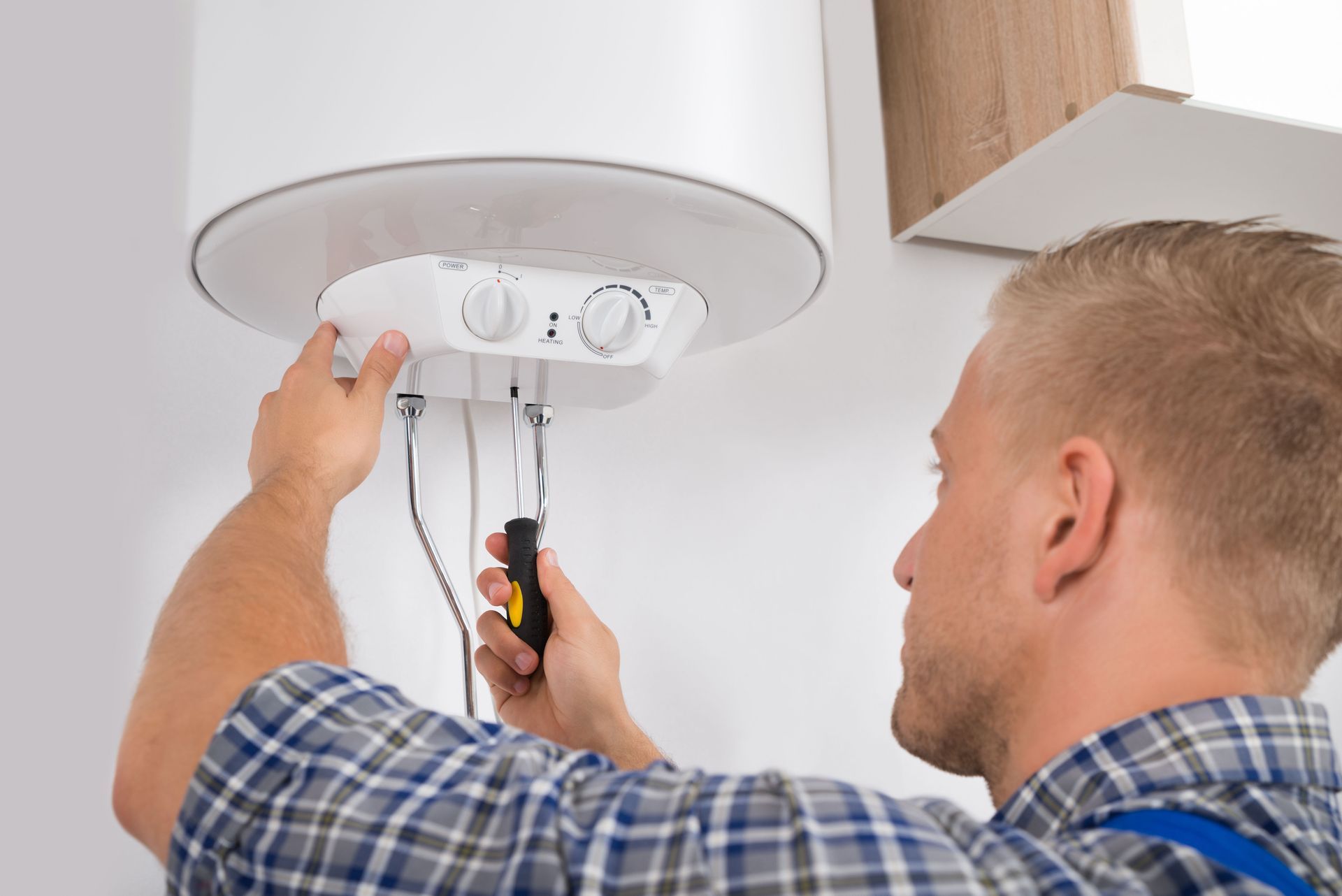
Identifying the physical signs of a unit nearing the end of its functional life is the first step toward avoiding a messy emergency. Most traditional tank systems have a lifespan of about ten to twelve years, so checking the manufacturer's date stamped on the data plate is essential. If your unit is approaching or has exceeded this age, it is likely becoming less efficient and more prone to internal rust or component failure. While you might be tempted to delay the process, older equipment often struggles to maintain consistent output. Staying observant helps you plan for an upgrade before failure.
2. Detecting Leaking Moisture
Finding small puddles around the base of your unit is a clear indicator that the integrity of the tank has been compromised. Internal corrosion can lead to tiny fissures that allow liquid to escape, which not only causes water damage to your flooring but also wastes significant resources. According to the EPA, the average household leaks nearly 10,000 gallons of water annually. While a small drip might seem minor, it often suggests the inner liner is failing. A neglected water heater will eventually burst, causing severe damage, so catching these small leaks early is vital for your home's security.
3. Hearing Unusual Noises
Listening closely to the sounds emanating from your utility closet can reveal much about the internal condition of your tank. Over time, sediment buildup from hard water minerals settles at the bottom of the vessel, which creates a popping or banging sound as the unit heats. This thermal stress not only makes the equipment work harder, resulting in higher utility bills, but it also indicates that the heating elements are struggling to function correctly. If you notice these persistent noises, it is a sign that the sediment has likely hardened, making it impossible to flush out effectively or safely.
4. Experiencing Inconsistent Temperatures
Noticing that your shower water fluctuates from hot to cold without warning is a major frustration that points to internal mechanical trouble. This temperature inconsistency often happens when the dip tube, which brings cold water to the bottom of the tank, has disintegrated, or when the heating elements are starting to fail. If you constantly find yourself adjusting the dial just to get a lukewarm flow, the internal components can no longer keep up with the demand of your household. An outdated water heater simply cannot provide the reliable, steady flow required for modern daily living or convenience.
5. Checking Water Quality
Observing the color and clarity of the output from your faucets is a direct reflection of what is happening inside the tank. If the liquid appears rusty or metallic when you turn on the hot tap, it is a strong indicator that the internal lining is corroding. This sediment-filled water is not only unpleasant for bathing or washing dishes but also indicates that the metal tank is breaking down from the inside out. When you see discolored water, it is time to seriously consider an upgrade to ensure your home’s water heater is providing clean, safe, and reliable service.
6. Monitoring Utility Costs
Watching your monthly energy bills climb without a corresponding increase in usage is a silent symptom of an inefficient appliance. As units age, they lose their ability to insulate the heat stored inside, forcing the system to cycle on and off more frequently to maintain the target temperature. This constant strain consumes significantly more power or fuel than a modern, high-efficiency model would require. If you feel like your monthly expenses are spiraling, a new system will likely pay for itself in savings within just a few years. Efficiency is a key component to managing a modern, sustainable, and cost-effective home.
7. Evaluating Repair Frequency
Assessing how often you have to call a plumber to fix your system provides a clear picture of its overall condition. If you find yourself scheduling repairs every few months for minor issues, you are likely pouring money into an appliance that is beyond saving. Every dollar spent on a failing, decade-old water heater is a sunk cost that could be better applied toward the purchase of a new, reliable system. While immediate repairs are sometimes necessary, there comes a point where investing in a modern replacement is the only logical path toward long-term peace of mind.
8. Considering Modern Upgrades
Exploring the latest technology available in the market can transform your entire home experience. Today’s systems are much more compact and energy-efficient, with options like tankless units that provide an endless supply of hot water on demand. By researching these advancements, you can choose a system that perfectly matches the flow rate needs of your household size. A modern water heater not only performs better but often includes smart features that alert you to leaks or maintenance needs through your smartphone. Taking the time to select the right upgrade will significantly improve your overall household's daily efficiency.
9. Calculating Installation Benefits
Determining the long-term value of a replacement involves weighing the installation cost against the future savings in energy and maintenance. A professional installation ensures that your new equipment is sized correctly, vented properly, and complies with all local building codes. While the upfront investment might seem significant, the added reliability and peace of mind are well worth the expense. Furthermore, a newer unit will increase the resale value of your property, making it an attractive selling point. Ultimately, replacing a failing water heater is an essential maintenance task that protects your home and improves your daily quality of life.
10. Assessing Professional Requirements
Consulting with a licensed plumber to verify your installation needs is the final step in ensuring a successful transition. Professionals can help you navigate the various types of systems available, from heat pump models to high-recovery traditional tanks, ensuring you select the best fit for your specific lifestyle. They will also handle the disposal of the old, hazardous unit safely and efficiently. By trusting the experts, you ensure that your plumbing remains code-compliant and fully functional for years to come. Do not wait for a complete system failure to act; prioritize your home's comfort and safety today.
Upgrading your system is a significant household project, but it is one that offers immense benefits in comfort, safety, and energy efficiency. By paying attention to the signs, from strange noises to rising energy bills, you can transition to a new unit before a major failure occurs. Remember that your plumbing is a critical investment in your daily life, and timely intervention is always the smartest strategy. With a modern, efficient system installed, you can enjoy peace of mind and reliable hot water for the foreseeable future, knowing that your home remains both functional and well-protected from potential aquatic disasters. If you live in the Waco, TX area and are considering upgrading your water heater, contact the professionals at Central Texas Plumbing Solutions today to schedule service.